Recognizing these GLP-1 non-responders promptly allows clinicians to adjust treatment strategies before patients experience prolonged periods without meaningful results, potentially leading to frustration and treatment abandonment

But when it reaches the market, here's what to expect based on the current GLP-1 insurance landscape: If Approved for Type 2 Diabetes Most commercial insurance plans will cover it, especially if it demonstrates A1C reduction comparable to or exceeding tirzepatide Prior authorization will likely be required Step therapy (try metformin first, then other agents) is standard Copays with manufacturer savings: potentially $25$50/month If Approved for Obesity/Weight Management Coverage remains highly variable, and many plans still exclude weight management medications Medicare Part D: Congress has been debating coverage of anti-obesity medications, but it remains excluded as of early 2026 Self-insured employers increasingly adding GLP-1 coverage, but it's employer-specific Expect significant prior authorization requirements (BMI thresholds, failed diet attempts) The practical reality: even when retatrutide is approved, many people will face the same insurance barriers that currently exist for Wegovy and Zepbound
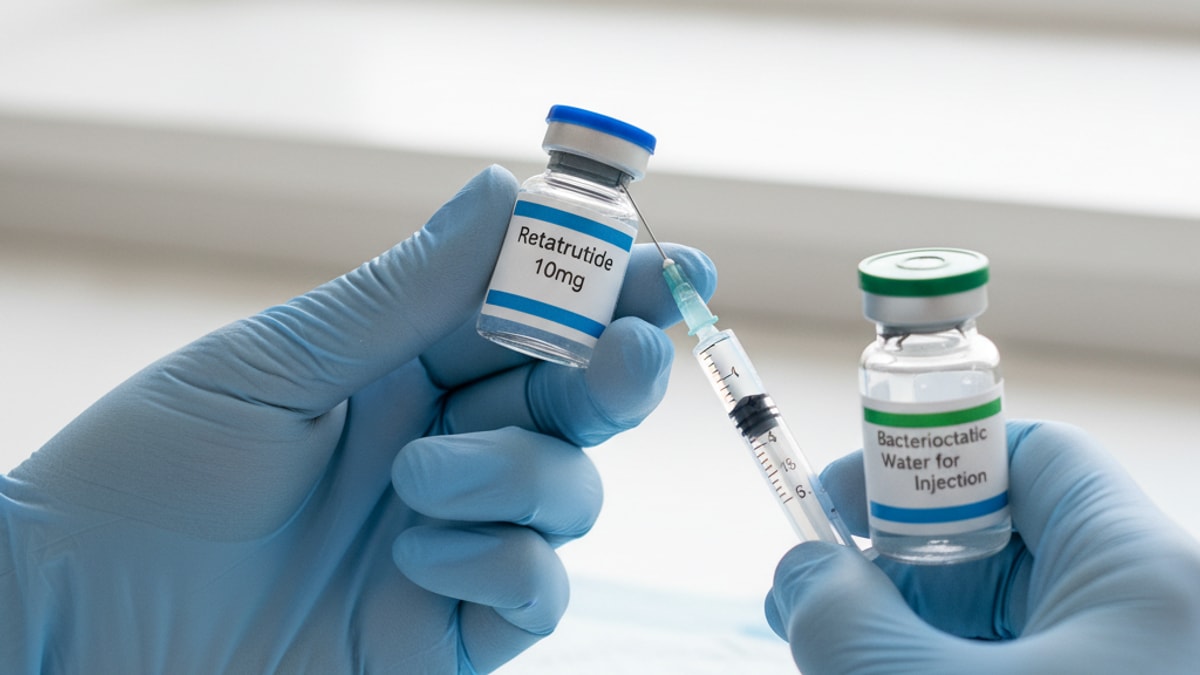
The world of weight management and metabolic health has been transformed by GLP-1 agonists like semaglutide and tirzepatide
GIP is also called an incretin hormone
The FDA noted similar observations at the company's Wisconsin site
Were all different, so something thats good for you might not be right for me