2020;33(3):e13379
Key roles of glutathione include: Antioxidant defense - neutralizes reactive oxygen species that damage DNA, proteins, and cell membranes, as documented in research on the Past and Present of antioxidant studies spanning multiple decades Toxin clearance - binds to heavy metals, pollutants, and drug metabolites so they can be excreted in urine or bile Immune balance - supports T cells and other immune cells that respond to infections and inflammation Mitochondrial protection - guards the energy-producing machinery in cells from oxidative damage Cell repair and turnover - influences cell growth and programmed cell death ( apoptosis ) Glutathione levels tend to decline with: Age Chronic stress and poor sleep Environmental toxin exposure Chronic illness and ongoing inflammation That decline is linked to neurodegenerative conditions, immune dysregulation, and respiratory disease, which is why so many people look for effective ways to support glutathione

GHK-Cu has demonstrated remarkable effects on wound healing, skin remodeling, hair growth, and gene expression affecting tissue repair
Unlike muscle tissue, which turns over rapidly, neural tissue acts on a geological timescale
However, as peptide structure and binding affinity prediction advance, high-throughput virtual screening should be employed to reduce development time
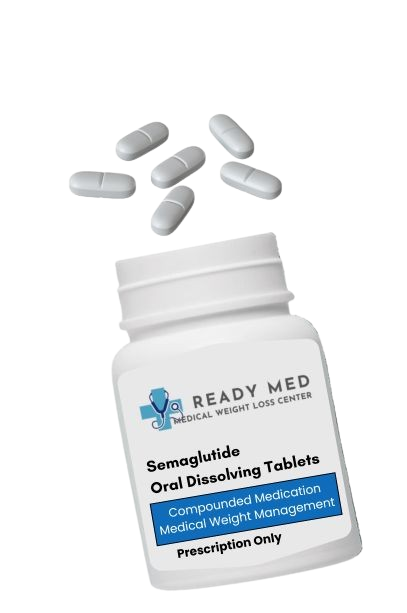
Undark asked Holt and Nathan Downing, an attorney with Gardner Law who specializes in FDA law, to review several examples of language used by clinics